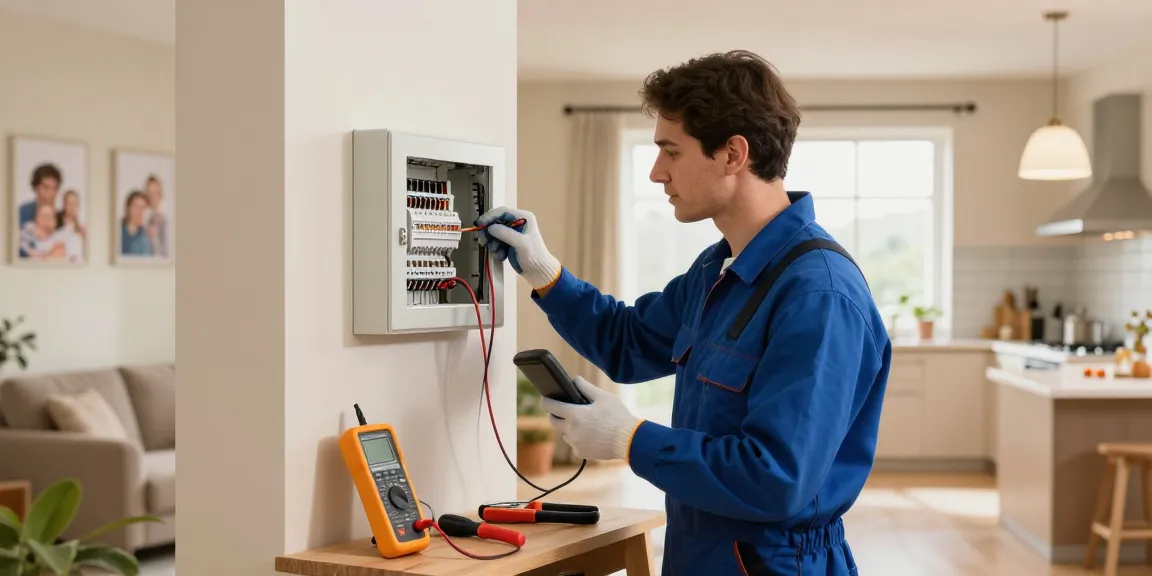
Understanding the Role of a Domestic Electrician
In the evolving landscape of home maintenance and safety, the role of a domestic electrician has never been more critical. As homes integrate advanced technologies and face increasing electrical demands, the importance of skilled electricians becomes paramount. A domestic electrician is not just responsible for wiring and repairs; they ensure that your home is safe, efficient, and compliant with current regulations.
What Does a Domestic Electrician Do?
Domestic electricians provide a plethora of services that encompass the electrical systems of residential properties. Their responsibilities typically include:
- Installing new electrical systems, including outlets, lighting, and appliances.
- Performing routine maintenance on existing systems to ensure optimal functionality.
- Identifying and repairing electrical faults and hazards.
- Upgrading electrical panels to accommodate increased energy loads.
- Assisting in the design and implementation of energy-efficient solutions.
By performing these tasks, domestic electricians help maintain a safe living environment and contribute to energy efficiency, which can considerably reduce utility costs.
Key Skills Required for the Job
Being a successful domestic electrician requires a unique combination of technical skills and personal attributes. Some of the key skills include:
- Technical Knowledge: A deep understanding of electrical systems, including wiring, circuits, and safety standards.
- Problem-Solving Skills: The ability to quickly diagnose electrical issues and determine the best solutions.
- Attention to Detail: Ensuring all work is completed to the highest standards and complies with regulations.
- Communication Skills: Effectively conveying information to clients regarding electrical issues and recommendations.
- Physical Stamina: The job often requires physical labor and the ability to work in various conditions.
Importance of Certification and Licensing
Certification and licensing are vital to ensure that domestic electricians possess the necessary qualifications to perform their job safely and effectively. Most regions require electricians to complete a formal education program and apprenticeship, followed by passing a licensing examination. This process not only validates their skills but also ensures compliance with local and national electrical codes.
Hiring a licensed electrician provides homeowners with peace of mind, knowing that the work will be carried out by someone qualified to handle potentially hazardous electrical systems.
The Impact of Domestic Electricians on Home Safety
As the backbone of electrical implementation in homes, domestic electricians play a vital role in ensuring safety. They are the first line of defense against electrical hazards that can lead to fires, shocks, or other dangerous situations. Understanding their impact on home safety can inform homeowners of the importance of professional electrical services.
Common Electrical Hazards in Homes
Electrical hazards in homes can pose serious risks. Some of the most common hazards include:
- Overloaded circuits.
- Faulty wiring.
- Improper use of extension cords.
- Moisture in electrical connections.
- Old or worn-out electrical equipment.
Each of these hazards can escalate into serious safety issues, underscoring the need for vigilant maintenance and professional assessments.
How Electricians Mitigate Risks
Domestic electricians utilize their expertise to mitigate electrical risks through various methods:
- Conducting regular inspections to identify potential hazards.
- Upgrading outdated wiring and electrical systems to meet current safety codes.
- Installing safety devices, such as circuit breakers and ground fault circuit interrupters (GFCIs).
- Educating homeowners about safe electrical practices.
By addressing these risks proactively, electricians significantly enhance the safety of residential environments.
Case Studies of Enhanced Safety Measures
Real-world examples highlight the importance of domestic electricians in promoting home safety:
- Case Study 1: A family experienced several electrical outages due to overloaded circuits. After consulting a domestic electrician, their electrical system was re-evaluated, and additional circuits were installed. This not only resolved the issue but also improved the overall safety of the home.
- Case Study 2: An older home had outdated wiring that posed a fire risk. A domestic electrician recommended a complete rewiring, which was completed with modern materials and safety features. The homeowner reported increased comfort and peace of mind knowing their home was now safe.
Technological Advancements in Electrical Systems
The electrical industry is rapidly evolving, with technological advancements shaping the services provided by domestic electricians. Understanding these changes is crucial for both electricians and homeowners looking to upgrade their systems.
Smart Home Integration and the Electrician’s Role
Smart homes are becoming increasingly common, with integrated technology that allows homeowners to control their electrical systems remotely. Domestic electricians play a crucial role in:
- Installing smart devices such as smart thermostats, lighting systems, and security cameras.
- Ensuring that devices are compatible with existing systems.
- Providing ongoing support and maintenance for smart home systems to ensure functionality.
By leveraging technology, electricians help homeowners enjoy convenience and efficiency, enhancing the overall living experience.
Tools and Technology Shaping the Future
Advancements in tools and technology are making the work of domestic electricians more efficient:
- Digital Multimeters: For precise measurements of electrical parameters.
- Smart Testing Devices: To identify wiring issues without invasive techniques.
- Mobile Apps: For project management and communication with clients.
Staying updated on 2026’s tech advancements allows electricians to provide top-notch service and maintain a competitive edge.
Preparing for Electrical Upgrades in 2026
As technology advances, preparing for electrical upgrades is essential. Homeowners should consider:
- Assessing their current electrical systems for compatibility with new technologies.
- Working with electricians to plan installations of energy-efficient systems.
- Budgeting for upgrades that improve safety and functionality.
Such preparations ensure seamless transitions to modern systems while enhancing home safety and efficiency.
Best Practices for Hiring a Domestic Electrician
When hiring a domestic electrician, homeowners should follow best practices to ensure quality workmanship. Choosing the right professional can significantly impact the safety and functionality of your home’s electrical system.
Key Questions to Ask Potential Electricians
To select the best electrician for your needs, consider asking the following questions:
- What is your experience with similar projects?
- Are you licensed and insured?
- Can you provide references or testimonials?
- What warranties do you offer on your work?
- How do you handle project timelines and budgets?
These questions will help clarify the electrician’s qualifications and reliability, ensuring you make a well-informed decision.
Understanding Cost and Budgeting for Electrical Work
Electrical work can be a significant investment. Homeowners should:
- Request detailed quotes from multiple electricians to compare pricing.
- Understand what factors influence costs, such as materials and labor.
- Budget for unexpected expenses that may arise during the project.
By planning ahead, homeowners can minimize financial surprises while ensuring quality work.
How to Ensure Quality Workmanship
To ensure quality workmanship, homeowners can:
- Check previous work samples or client feedback.
- Request a detailed contract outlining scope, timeline, and costs.
- Maintain open communication throughout the project.
These steps will help ensure that the work meets your expectations and adheres to safety standards.
Future Trends in the Electrical Industry
The electrical industry is continually changing, with future trends shaping how domestic electricians operate and serve homeowners. Awareness of these trends can aid in planning for upcoming electrical needs.
Emerging Trends for Domestic Electricians in 2026
By 2026, several trends are likely to influence the industry:
- Increased demand for renewable energy solutions, such as solar panels.
- Growing interest in home automation and energy management systems.
- Enhanced focus on energy efficiency and sustainability practices.
These trends will require electricians to adapt their skills and knowledge to stay relevant in the market.
Environmental Considerations and Sustainability
As environmental concerns rise, electricians will increasingly focus on sustainable practices:
- Promoting energy-efficient installations and retrofitting existing systems.
- Educating clients on reducing energy consumption.
- Implementing green technologies to minimize environmental impact.
By adopting sustainable practices, domestic electricians will contribute positively to both the industry and the environment.
The Evolving Landscape of Electrical Regulations
Electrical regulations are continuously evolving, impacting how electricians operate. Staying updated with regulatory changes is crucial for compliance:
- Regularly reviewing local and national codes.
- Attending workshops and training sessions to stay informed.
- Implementing best practices based on regulatory updates.
This knowledge ensures that electricians provide safe, compliant services that protect homeowners and their properties.
What qualifications should a domestic electrician have?
A qualified domestic electrician should hold a valid license, have completed a recognized training program or apprenticeship, and possess knowledge of current electrical codes and standards. Ongoing education and training in new technologies are also essential.
How can I ensure my home’s electrical system is safe?
To ensure safety, conduct regular inspections, stay informed about electrical safety standards, and promptly address any signs of electrical issues, such as flickering lights or frequent circuit trips.
What are the signs that I need an electrician?
Signs that you may need an electrician include persistent flickering lights, frequent circuit breaker trips, burning smells near outlets, or visible damage to wiring or electrical devices.
How do I choose the right electrician for my project?
Choosing the right electrician involves verifying qualifications, seeking recommendations, asking the right questions, and reviewing past work. Ensure you feel comfortable communicating and that they understand your specific needs.
What are the latest technologies in home electrical systems?
Latest technologies include smart home systems, energy-efficient lighting solutions, advanced surge protection devices, and renewable energy installations like solar panels.