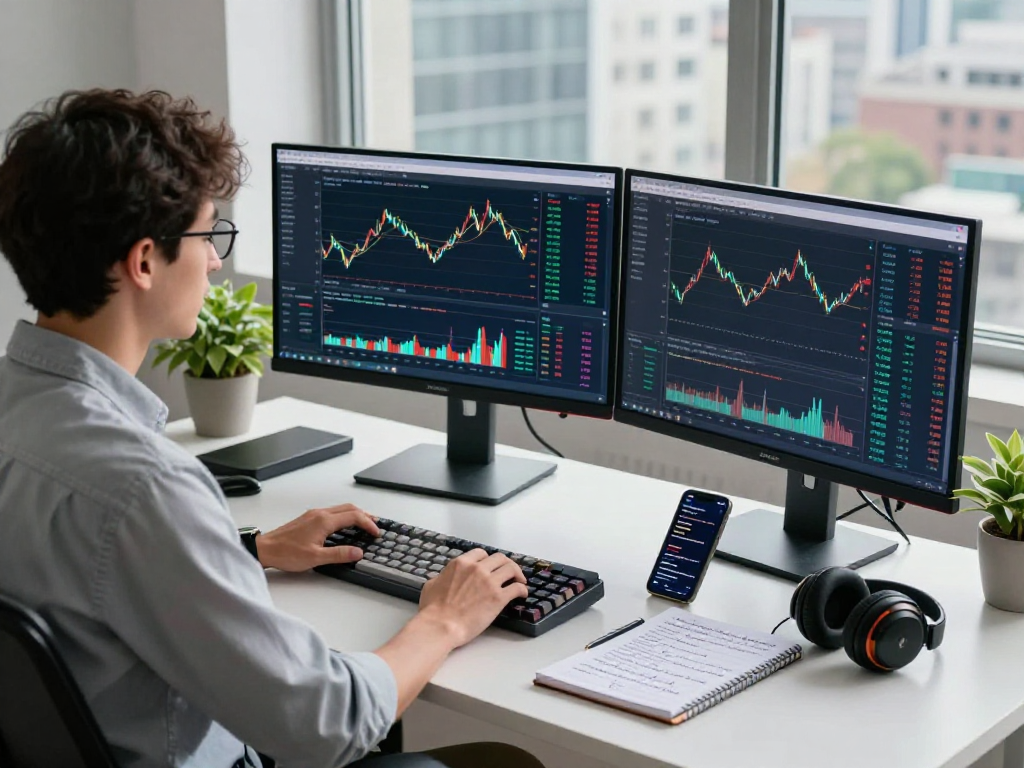
Understanding the Global Futures Real-Time API
The world of financial markets is rapidly evolving, with data accessibility becoming crucial for developers, trading platforms, and research institutions. The global futures real-time API stands at the forefront of this revolution, providing real-time quotes, market depth, and comprehensive analytics. Designed to meet the needs of today's traders and analysts, this API not only delivers essential data but also supports efficient trading strategies across various sectors such as energy, metals, and agriculture.
What is a Global Futures Real-Time API?
A Global Futures Real-Time API is a powerful tool that allows users to access up-to-the-millisecond data on futures trading across global markets. This API serves as a bridge between market data and end-users, enabling seamless integration into trading applications and research systems. By providing real-time quotes, depth of market insights, and historical data, this API empowers traders and analysts to make informed decisions in a fast-paced trading environment.
Key Features and Benefits for Developers
- Real-Time Data: Receive instant updates on market fluctuations, pricing changes, and trading volumes, enabling traders to react swiftly to market movements.
- Comprehensive Coverage: Access data from various sectors, including energy, metals, and agriculture, ensuring a well-rounded approach to market analysis.
- Enhanced Analytical Tools: Utilize advanced features like Level 2 market depth, open interest metrics, and tick-by-tick data for in-depth analysis.
- Scalability: Designed to support both small-scale trading applications and institutional platforms, making it flexible for different usage scenarios.
- Cost-Effective Solutions: With pricing tiers that accommodate various budgets, the API is accessible for startups and established institutions alike.
How It Supports Trading Platforms
The integration of a global futures real-time API into trading platforms significantly enhances the user experience. By allowing platforms to display real-time market data, users can make educated decisions based on the latest trends. This capability is particularly vital for traders who rely on timely information to execute trades effectively. Moreover, by incorporating depth of market features, platforms can offer users a clearer view of market activity, thereby increasing transparency and trust.
Technical Architecture of the API
Overview of API Infrastructure
The technical architecture of the global futures real-time API is built on a robust infrastructure that ensures reliability and speed. It utilizes cloud-based servers to handle large volumes of requests while maintaining minimal latency. This architecture supports various data formats, making it adaptable for different programming environments and languages.
Data Transmission Speed and Efficiency
Data transmission speed is a paramount feature of any trading API. The global futures real-time API operates with millisecond latency, allowing it to deliver data faster than traditional methods. This speed is critical in trading, where even the slightest delay can result in significant financial consequences. The API accomplishes this through optimized data pathways and advanced caching mechanisms that streamline data flow.
Security Measures for Data Integrity
With sensitive financial data being transmitted, security is non-negotiable. The global futures real-time API employs rigorous security protocols, including data encryption, token-based authentication, and secure access controls. These measures ensure that only authorized users can access the data, protecting against breaches and data manipulation.
Implementing the Global Futures Real-Time API
Getting Started: Integration Steps
To integrate the global futures real-time API, developers must follow a straightforward series of steps. These typically include obtaining API keys, setting up the development environment, and utilizing the provided documentation for initial configurations. Once the API is connected, developers can begin pulling data and testing its functionalities in real-time scenarios.
Best Practices for API Usage
Maximizing the utility of the global futures real-time API involves adhering to best practices, such as limiting the frequency of requests to avoid throttling, caching frequent queries to improve speed, and utilizing the error handling mechanisms provided within the API documentation. Additionally, developers should regularly update and maintain their integration to adapt to API updates and changes.
Common Challenges and Solutions
While integrating and utilizing the API can be seamless, various challenges may arise. Common issues include managing high data volumes, ensuring data accuracy, and troubleshooting connectivity problems. Solutions often involve optimizing code for performance, validating data integrity using checksums, and maintaining strong communication with the API provider for support in resolving issues.
Real-World Applications and Case Studies
How Institutions Leverage the API
Many institutions leverage the global futures real-time API to enhance their trading strategies and research methodologies. For example, hedge funds utilize the API to develop algorithmic trading strategies that capitalize on real-time market inefficiencies, while academic institutions employ the data for financial research and education purposes.
Performance Metrics from Existing Users
Feedback from existing users highlights the API's significant impact on trading efficiency. Users report improved order execution speeds, enhanced market insights, and better overall profitability when using the API compared to traditional data sources. Specific metrics often include a reduction in slippage and an increase in successfully executed trades within optimal pricing windows.
Innovative Strategies in Quantitative Trading
Quantitative traders consistently seek novel ways to utilize the data provided by the global futures real-time API. By implementing machine learning algorithms that analyze tick data, these traders can develop predictive models that forecast market movements and optimize their trading strategies. Such innovations have been pivotal in gaining competitive advantages in the crowded trading landscape.
Future Trends in Global Futures Data
Emerging Technologies in Financial Markets
The landscape of financial markets is undergoing a transformation, driven by emerging technologies like artificial intelligence (AI) and blockchain. These technologies promise to enhance the accuracy and speed of data processing, thus further improving the capabilities of tools like the global futures real-time API. Continuous innovations in data analytics and machine learning will shape how traders and institutions engage with market data.
Predicted Changes for 2026 and Beyond
Looking forward to 2026 and beyond, the demands for real-time data will continue to grow. As markets become more interconnected, trading strategies will increasingly rely on global futures data to make informed decisions. We can expect further advancements in API technologies, enabling even faster data processing and broader data coverage.
The Role of APIs in Shaping Financial Innovation
APIs will play a pivotal role in shaping the future of financial innovation. They serve as foundational elements that allow disparate systems to communicate, facilitating a more collaborative financial ecosystem. The global futures real-time API will be central to this evolution, providing the necessary data infrastructure for innovative products and services in the financial sector.
What are the cost options for the global futures real-time API?
The pricing structure for the global futures real-time API is designed to accommodate a wide range of users. Options typically include a free tier for limited usage, with additional monthly subscriptions available that provide expanded features and data access. This tiered structure allows startups, individual traders, and large institutions to find a plan that fits their budget and needs.
How can the API enhance trading strategies?
By integrating the global futures real-time API, traders can access crucial data that empowers them to refine their trading strategies. The ability to analyze real-time trends and market depths allows for more precise entry and exit points, which can significantly enhance overall trading performance.
What sectors benefit most from the global futures data?
Sectors such as agriculture, energy, and metals are among the primary beneficiaries of global futures data. Traders in these sectors rely heavily on real-time information to navigate the volatility and fluctuations that characterize commodity markets.
What are the limitations of using the API?
While the global futures real-time API offers numerous advantages, users should be aware of potential limitations, such as data latency, the necessity of internet connectivity, and restrictions on data redistribution. Understanding these limitations is crucial for setting realistic expectations and developing effective usage strategies.
How does real-time data impact investment decisions?
Real-time data profoundly influences investment decisions. Instant access to market movements allows traders to react swiftly to changing conditions, capitalize on opportunities, and mitigate risks more effectively than relying on delayed data sources.