Understanding the Technology Behind Age Estimation
The advent of artificial intelligence has revolutionized various industries, and age estimation technology is no exception. Utilizing advanced algorithms and deep learning, these tools offer users a glimpse into how old they might appear based on facial recognition. With services available online, it has never been easier to engage with this fascinating technology. For a comprehensive experience on this topic, visit how old do i look and discover how this technology works.
What is AI Age Estimation?
AI age estimation refers to the process of using artificial intelligence algorithms to analyze facial features and determine the perceived age of an individual. These algorithms have been trained on vast datasets of images, allowing them to learn various indicators of age such as skin condition, facial structure, and other key features. By examining these elements, AI can provide an estimated age that may differ from a person’s actual age, demonstrating the subjective nature of age perception.
How Does Facial Recognition Work?
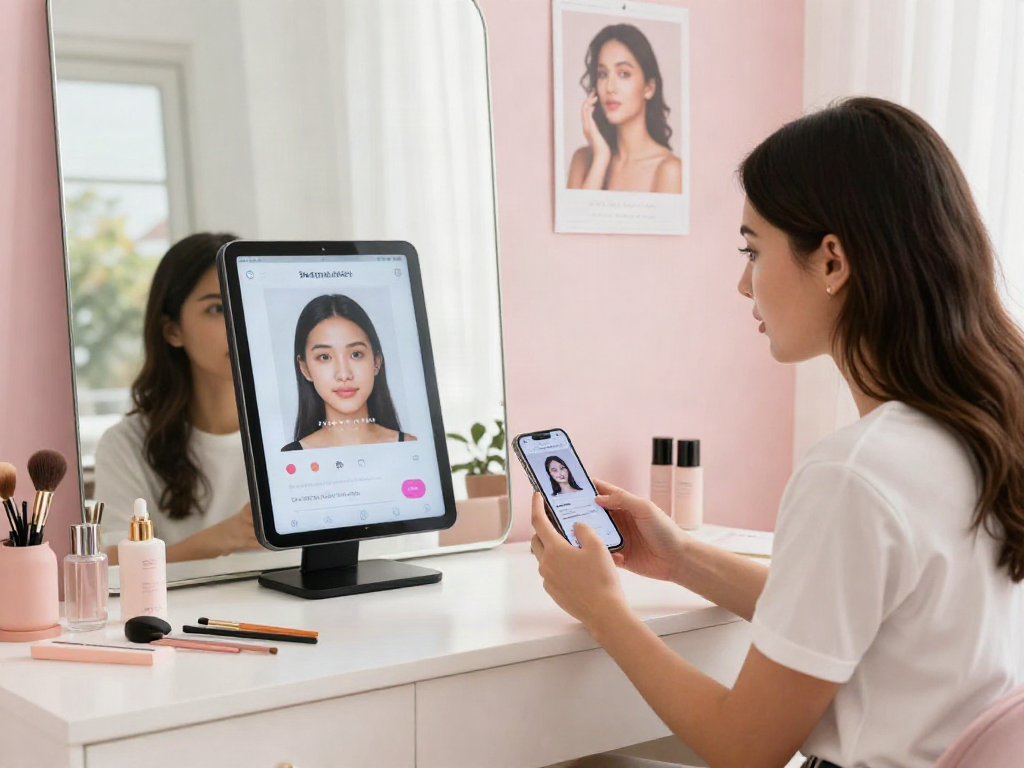
Facial recognition technology relies on machine learning and computer vision techniques. When a user uploads a photo, the system analyzes multiple facial landmarks, including the eyes, mouth, and overall facial symmetry. By comparing these features against established datasets, the technology can gauge the age-related characteristics present in the image. The algorithms are fine-tuned through continuous learning, improving their accuracy with each new data input.
Benefits of AI in Age Analysis
- Speed: AI can process images and deliver results in mere seconds, making it highly efficient for users.
- Accessibility: Age estimation tools are often free and easy to use, available to anyone with internet access.
- Continuous Improvement: As more images are analyzed, the AI systems learn and refine their ability to estimate age accurately.
- Data-Driven Insights: Businesses can leverage age estimation technology to understand consumer demographics better and tailor marketing strategies accordingly.
Common Misconceptions about Age Estimation Tools
With the rise of AI-driven solutions, several misconceptions about age estimation technology have surfaced. Understanding these misconceptions is crucial for users to set realistic expectations.
Are These Estimates Always Accurate?
While AI age estimation can offer surprisingly accurate results, it is crucial to remember that these tools are not infallible. Factors such as lighting, photo quality, and individual differences contribute to variability in the estimates. Therefore, users should view the results as a fun and informative insight rather than an absolute measure of age.
Privacy Concerns with Facial Recognition
As with any technology that involves personal data, privacy concerns are paramount. Many users worry about how their images are stored and used. Therefore, users should opt for platforms that prioritize user privacy and data security, ensuring that their data is not misused.
Debunking Age Bias in AI Algorithms
Another common misconception is that AI technology inherently carries age bias. While it is true that AI can reflect the biases present in its training data, ongoing efforts in the field aim to reduce these biases. Researchers are increasingly focused on creating more robust and equitable algorithms that better represent diverse populations.
Optimizing Your Photos for Better Age Analysis
To receive the most accurate age estimation results, users should pay attention to how they capture and submit their photos. Here are some best practices to enhance the quality of photographs used for age analysis.
Best Practices for Lighting and Angles
- Natural Light: Utilize natural lighting whenever possible to avoid harsh shadows that can obscure details.
- Face Forward: Ensure that the photo is taken straight on and that your face occupies most of the frame.
- Avoid Filters: Using filters can alter your appearance and affect the AI's ability to provide an accurate estimate.
Choosing the Right Background for Clarity
A simple, uncluttered background ensures that the focus remains on your face, enhancing the system's ability to analyze facial features effectively. Opt for solid colors or soft textures that do not detract from your facial details.
How to Prepare Your Skin for the Camera
While the age estimation algorithms are robust, presenting your skin in its natural state can benefit the analysis. Stay hydrated and maintain a skincare routine that suits your skin type, ensuring that your complexion is as clear and even as possible.
Real-World Applications of Age Estimation Technology
Age estimation technology is not just a novelty; it has practical applications across various sectors, benefiting businesses and studies alike.
Using Age Estimation in Marketing and Advertising
In marketing, understanding the age demographic of potential customers is essential for designing effective campaigns. Brands can leverage age estimation tools to tailor advertisements and product offerings that resonate with specific age groups.
Role in Beauty and Cosmetic Industries
Beauty brands are increasingly using age estimation technology for product recommendations based on the estimated age of consumers. This personalized approach enhances customer experience and improves sales conversion rates.
Scientific Research on Aging and AI Integration
Researchers are exploring the applications of age estimation in studies related to aging, health, and well-being. By analyzing various populations, they can gather data that may help in understanding aging processes and developing targeted interventions.
Future Trends in Age Estimation Tools
The landscape of age estimation technology is continually evolving, driven by advancements in AI and user feedback. Here are some anticipated trends for 2026.
AI Developments to Watch in 2026
Future systems are expected to integrate more sophisticated deep learning models, enhancing their capacity to recognize subtle differences in age-related features. This could lead to even more accurate estimations, narrowing the perceived gap between actual and estimated age.
Ethical Considerations and Guidelines
As age estimation technology becomes increasingly embedded in daily life, establishing ethical guidelines will be crucial. Developers and users must navigate privacy concerns and ensure that these tools are used responsibly and equitably.
Potential Impact on Social Dynamics and Self-Perception
The ability to analyze and estimate age could influence how individuals perceive themselves and others. As these tools become commonplace, discussions around ageism and self-image may evolve, potentially leading to greater acceptance of diverse ages in various aspects of society.
How Accurate is AI Age Estimation in 2026?
With continuous improvements and the expansion of training datasets, by 2026, AI age estimation is poised to deliver results that are more accurate than ever before. The advancements will not only improve user satisfaction but also expand the technology's applications across industries.
Can AI Tools Help Combat Ageism?
AI age estimation tools have the potential to challenge traditional perceptions of age by promoting a broader understanding of aging. If utilized correctly, they could contribute to a more inclusive narrative around age, reducing stereotypes and biases that often accompany age-related attributes.