Understanding Smart Locks: The Future of Home Security
As technology continues to evolve, so does the way we secure our homes. Smart locks represent a significant advancement in home security, combining convenience with sophisticated technology. Unlike traditional locks, smart locks allow homeowners to control their locks remotely, providing seamless access for family and friends without the need for physical keys. When exploring options, خرید قفل هوشمند can provide comprehensive insights into the various types available.
What are Smart Locks?
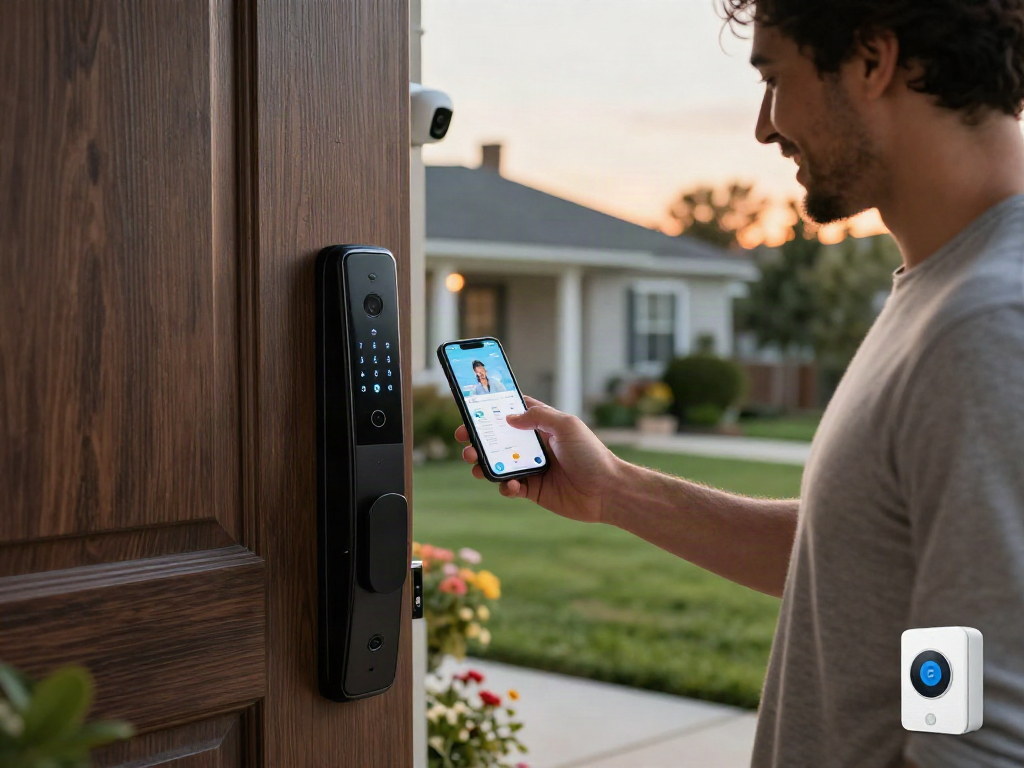
Smart locks are electronic locking devices that enable users to control access to their homes through smartphones, key fobs, or biometric identification. They eliminate the need for traditional keys, making them particularly appealing in a fast-paced world where convenience is key. Smart locks can be operated remotely, allowing homeowners to lock or unlock their doors from anywhere in the world, provided they have an internet connection.
Benefits of Buying a Smart Lock
- Enhanced Security: Many smart locks come equipped with advanced security features such as real-time alerts, tamper alarms, and automatic locking mechanisms.
- Convenience: No more fumbling for keys; you can unlock your door with a tap on your smartphone or a simple voice command if integrated with smart home systems.
- Access Monitoring: Many models provide logs of who entered and exited your home and when, adding an extra layer of security.
- Easily Manage Access: Grant temporary access to guests, cleaners, or service personnel without needing to make physical copies of your keys.
How Smart Locks Work
Smart locks operate through a variety of technologies, most commonly via Bluetooth, Wi-Fi, or Z-Wave connectivity. When you send a command through your smartphone, it communicates with the lock through these networks, allowing you to lock and unlock your door. Many smart locks also have a mechanical key option as a backup, ensuring you never get locked out in case of battery failure or connectivity issues.
Choosing the Right Smart Lock for Your Home
Selecting the ideal smart lock for your residence involves considering various factors that cater to your specific security needs and lifestyle. Whether you prioritize advanced security features or user-friendly interfaces, there’s a smart lock tailored for you.
Factors to Consider When Buying a Smart Lock
- Compatibility: Ensure the smart lock is compatible with your doors and any existing smart home systems you may use.
- Power Source: Most smart locks run on batteries, but some models offer rechargeable options or come with backup keys.
- Connectivity: Decide if you want a Bluetooth lock that operates only within range, or a Wi-Fi lock that allows remote access from anywhere.
- Security Features: Look for features such as two-factor authentication, alarm systems, and encryption capabilities.
Popular Smart Lock Brands and Models
Some of the leading brands in the smart lock market include August, Yale, and Schlage, each offering various models with unique features. The August Smart Lock Pro is known for its retrofitting capabilities, while the Yale Assure Lock SL offers a sleek, key-free design with numerous smart home integration options. Similarly, the Schlage Encode stands out for its built-in Wi-Fi connectivity, eliminating the need for additional hubs.
Comparing Traditional vs. Smart Locks
While traditional locks have served us well for generations, smart locks offer an array of features that enhance both security and convenience. Traditional locks require physical keys, which can be lost or stolen, while smart locks provide remote access and real-time monitoring, making them a more flexible choice for modern homes. Additionally, smart locks can integrate with home automation systems, allowing for a seamlessly controlled living environment.
Installation and Maintenance Tips for Smart Locks
Installing a smart lock may seem daunting, but with the right guidance, it can be an effortless task. Knowing how to maintain it will also ensure its longevity and performance.
Step-by-Step Installation Guide
- Gather your tools, including a screwdriver and any specific tools needed for your smart lock model.
- Remove the existing deadbolt or lock from your door.
- Follow the manufacturer’s instructions to install the new smart lock, ensuring components are aligned correctly.
- Pair the lock with your smartphone or smart home device as directed.
- Test the lock functionality to confirm it is working as intended.
Common Maintenance Practices for Smart Locks
Maintaining your smart lock is essential for its function and security. Regularly check battery levels and replace them as needed. Keep the lock clean and free of debris to ensure smooth operation. Ensure that any software updates from the manufacturer are installed promptly to enhance security features.
Troubleshooting Smart Lock Issues
If your smart lock isn’t responding or functioning correctly, troubleshoot basic issues first, such as checking battery levels or ensuring your smartphone has a stable internet connection. If the issue persists, consult the manufacturer’s support resources or user manuals for further assistance.
Smart Lock Security Features: What You Need to Know
Understanding the security features of smart locks is pivotal to ensuring maximum home protection. Here, we explore some of the advanced security measures that come with smart locks.
Advanced Security Features of Smart Locks
- Auto-Lock: Automatically locks the door after a certain period.
- Remote Access: Control your locks from anywhere via smartphone apps, enhancing convenience and security.
- Alerts and Notifications: Receive immediate notifications if the door is unlocked or tampered with.
Encryption and Data Privacy Concerns
With the rise of smart technology, data privacy is a critical concern. Smart locks utilize encryption protocols to safeguard user data and communication between the lock and smartphones. However, it is important to choose reputable brands that prioritize data security to mitigate risks.
How to Improve Your Smart Lock Security
To enhance security further, utilize two-factor authentication and ensure that your home's Wi-Fi network is secure. Regularly update passwords related to your smart lock and avoid sharing access with untrusted individuals.
Future Trends in Smart Lock Technology for 2026
The landscape of smart lock technology is rapidly evolving, with significant advancements expected by 2026. Innovations in artificial intelligence and machine learning are set to enhance the functionality and security of smart locks.
Emerging Technologies in Smart Locks
Expect to see smart locks incorporating biometric technologies, such as facial recognition or fingerprint scanning, providing a level of security that surpasses traditional locks. Machine learning could also allow locks to learn user patterns and adapt security measures accordingly.
Predictions for Smart Home Integration
As smart home ecosystems become increasingly popular, smart locks will play a crucial role in home automation, seamlessly integrating with other devices such as security cameras and alarm systems. This interconnectedness will create a fully automated home security experience.
Consumer Trends in Home Security
As consumers become more aware of the importance of home security, the demand for smart locks is anticipated to grow significantly. Features that promote convenience, such as mobile access and user-friendly interfaces, will be key drivers of consumer choice in the coming years.
What are the main advantages of smart locks?
Smart locks offer numerous advantages, including enhanced security features, convenience with remote access, and the ability to grant and monitor access. Their integration with other smart home devices further amplifies their usability.
How do smart locks enhance home security?
Smart locks enhance home security through features such as real-time alerts, remote monitoring, and advanced encryption technologies, making it difficult for intruders to bypass them.
Can I install a smart lock myself?
Yes, most smart locks come with clear installation guides that allow homeowners to install them without professional help. However, if you're unsure, consider hiring a professional for peace of mind.
What maintenance do smart locks require?
Smart locks require minimal maintenance, primarily involving regular battery checks and ensuring that the locking mechanism remains free from debris.
Are smart locks compatible with home automation systems?
Many smart locks are designed to be compatible with popular home automation systems, allowing for seamless integration and enhanced control over your home security.