Understanding the Springerdoodle Breed
The Springerdoodle is an increasingly popular designer dog breed that combines the intelligence and agility of the Poodle with the friendly and energetic nature of the English Springer Spaniel. This mix results in a dog that not only exhibits a delightful temperament but also boasts a unique appearance and various coat types. For families considering adding a new furry friend to their household, understanding the characteristics of a Springerdoodle is essential. When exploring options, Springerdoodle as a family dog provides comprehensive insights that can assist in your decision-making process.
What is a Springerdoodle?
A Springerdoodle is a hybrid breed created from crossing an English Springer Spaniel with a Poodle. Bred primarily for their companion qualities, they reflect a blend of the best traits from both parent breeds. The Poodle contributes intelligence and trainability, while the Springer Spaniel brings a friendly and sociable disposition. This combination makes Springerdoodles a versatile option for many families looking for an engaging and active pet.
Characteristics of Springerdoodles as Family Dogs
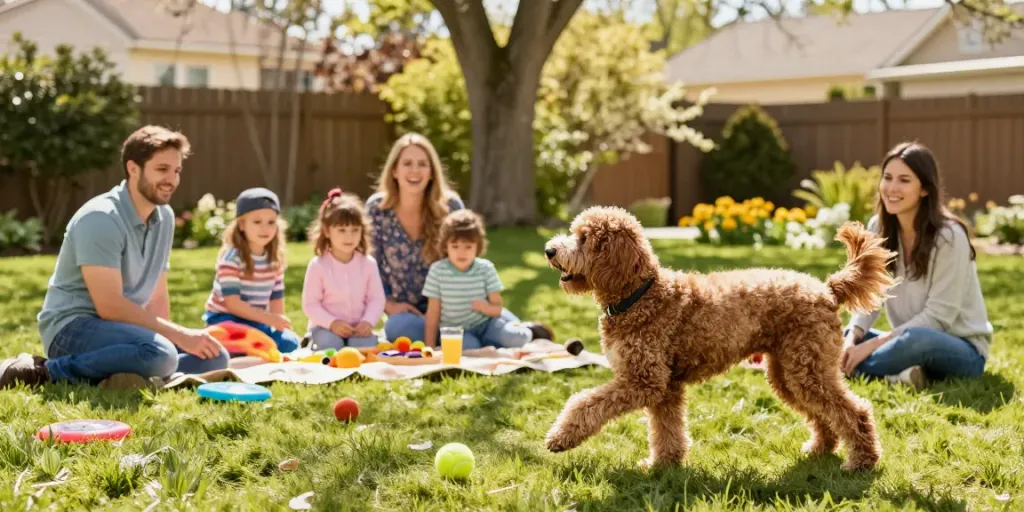
Springerdoodles are known for their friendly, sociable, and affectionate nature, making them excellent companions for families with children. They are adaptable to various living situations but thrive in active homes where they can participate in family activities. Their playful disposition, coupled with a strong desire to please, makes them highly trainable, ensuring that they can quickly learn commands and house manners.
Variations: F1, F1b, and Multigenerational Lines
Springerdoodles come in different variations based on how they are bred. The first generation (F1) is a direct cross between an English Springer Spaniel and a Poodle. The F1b generation is produced by breeding an F1 Springerdoodle back with a Poodle, which generally results in a dog with a curlier, more hypoallergenic coat. Multigenerational Springerdoodles are created by breeding F1 Springerdoodles together, leading to more variability in traits but allowing for more predictability concerning coat type and temperament.
Size and Space Requirements
How Big Do Springerdoodles Get?
The size of a Springerdoodle greatly depends on the size of the Poodle parent. Standard Springerdoodles can weigh anywhere from 40 to 70 pounds and stand 18 to 20 inches tall at the shoulder. In contrast, Mini Springerdoodles, which are bred from a Miniature Poodle, usually weigh between 15 and 35 pounds and reach heights of about 10 to 15 inches. Understanding the expected size is crucial for any family considering a Springerdoodle as larger breeds require more space and resources.
Living Space Considerations for Families
While Springerdoodles can adapt to various living arrangements, they thrive best in homes with ample space for them to move and play. Families living in houses with yards will find it easier to provide the necessary exercise and stimulation for their Springerdoodle, while those in apartments may need to commit to regular outdoor walks and play sessions.
Adaptability to Apartment Living vs. Houses
With proper exercise and mental stimulation, Springerdoodles can adapt to apartment living; however, they are not the best choice for those seeking a low-energy dog. Families in apartments should be prepared to invest time in daily walks and playtime to prevent boredom and behavioral issues.
Temperament and Behavior
Generality of Temperament Traits
Springerdoodles are often described as affectionate, intelligent, and eager to please. Generally, they exhibit a joyful and playful demeanor, making them great with children and other pets. Early socialization is crucial as it helps them develop into well-rounded adults, minimizing the chances of developing anxiety or behavioral problems.
How They Interact with Children and Other Pets
This breed is known for its gentle nature and adaptability, making them suitable companions for families with children. Their playful spirit often leads to fun interactions with kids, while their sociable behavior typically allows them to coexist peacefully with other pets. Nevertheless, supervision during play and proper introductions are essential to ensure harmonious relationships.
Predicting Behavioral Traits in Springerdoodles
Behavioral traits in Springerdoodles can vary significantly based on lineage and upbringing. While many exhibit a friendly and playful personality, some may inherit more intense traits from their Springer Spaniel parent, such as a strong prey drive. Understanding the particular lineage of a Springerdoodle will provide insights into their potential behavior and training needs.
Training and Exercise Needs
Essential Training for Springerdoodles
Training is vital for a Springerdoodle, as their intelligence makes them eager learners. Basic obedience training should commence early to establish good behaviors and social norms. Positive reinforcement methods work best with this breed, as they respond well to praise and rewards.
Daily Exercise Requirements for Family Life
Springerdoodles require a significant amount of daily exercise—ideally at least one hour of physical activity. Activities can include walks, playtime in the yard, or engaging in dog sports like agility training. Meeting their exercise needs is essential to prevent boredom, which can lead to destructive behaviors.
Mental Stimulation Activities for Springerdoodles
In addition to physical exercise, mental stimulation is crucial for a Springerdoodle's well-being. Puzzle toys, training sessions, and scent games can provide the necessary challenge to keep their minds sharp and engaged. Incorporating a variety of activities into their routine can help reduce potential behavioral issues.
Caring for Your Springerdoodle
Grooming Needs and Best Practices
Grooming is an important aspect of caring for a Springerdoodle, as their coat can vary between wavy and curly. Regular brushing is essential to prevent matting and tangles, especially if the dog has a denser coat. Many owners benefit from scheduled professional grooming every few months to keep the coat in optimal condition.
Health Care and Nutrition Essentials
Providing a balanced diet tailored to the specific needs of a Springerdoodle is vital. High-quality dog food should be chosen based on the dog's age, size, and activity level. Regular veterinary check-ups are important to monitor health and catch any potential issues early.
Potential Lifespan and Common Health Issues
The lifespan of a Springerdoodle typically ranges from 10 to 15 years. Like all breeds, they can be prone to certain health issues, including hip dysplasia, allergies, and ear infections. Regular veterinary care and attention to their health can help manage and prevent these potential problems.
What Makes Springerdoodles Ideal Family Companions?
Springerdoodles make excellent family companions due to their friendly disposition, adaptability, and intelligence. They thrive in active environments where they can interact with family members, making them a perfect addition to families looking for energetic, loving pets.
How to Prepare Your Home for a Springerdoodle
Before bringing a Springerdoodle home, it is essential to prepare your living space. This includes securing the home by removing any choking hazards, establishing a designated space for their bed and toys, and ensuring access to outdoor areas for exercise. Understanding their needs will help ensure a smooth transition for both the dog and the family.
Frequently Asked Questions About Springerdoodles
Families often have specific questions when considering a Springerdoodle. Some common inquiries include what the temperature traits of the breed are, how they adapt to different environments, and the best training techniques. Educating oneself about these aspects will ensure potential owners are well-prepared for their new addition.