
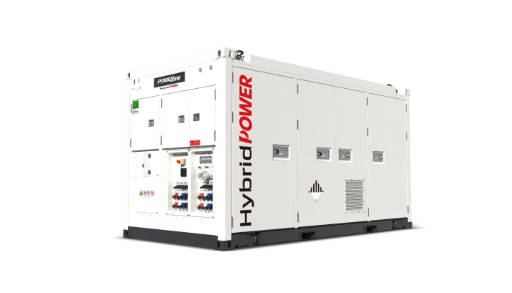
As access to reliable electricity remains a challenge in many remote and isolated locations, off-grid power systems have become an essential solution for homes, businesses, industrial facilities, and infrastructure projects. These systems operate independently from the main utility grid and often rely on renewable energy sources or local gas generator equipment to meet electricity demands.
However, power production does not always occur when energy is needed. This is where energy storage plays a critical role. By storing excess electricity for later use, energy storage systems help improve reliability, efficiency, and operational stability in off-grid environments.
The Growing Demand for Off-Grid Energy Solutions
Many regions around the world lack access to stable grid infrastructure. Remote communities, mining operations, construction sites, telecommunications facilities, and agricultural projects often depend on off-grid power systems to maintain daily operations.
As energy demand continues to grow, organizations are increasingly adopting energy storage technologies to support uninterrupted electricity supply and improve the performance of off-grid systems.
Benefits of Energy Storage Systems
Improved Energy Reliability
One of the primary advantages of energy storage is its ability to provide electricity when power generation sources are unavailable. This helps ensure a continuous energy supply and reduces the risk of power interruptions.
Enhanced System Efficiency
Energy storage systems capture excess electricity generated during periods of low demand and make it available when consumption increases. This improves overall system efficiency and reduces wasted energy.
Reduced Dependence on Fuel Consumption
Many off-grid systems rely on backup equipment such as a gas generator to provide electricity when renewable energy production is insufficient. Energy storage can reduce the frequency of generator operation, helping lower fuel consumption and operating costs.
Better Power Management
Energy storage allows operators to balance electricity supply and demand more effectively. This helps improve system performance and supports more stable Power Generation in off-grid applications.
Support for Renewable Energy Integration
Solar and wind energy sources often produce electricity intermittently. Energy storage systems help capture and store this energy, making it available when renewable generation decreases.
Increased Operational Flexibility
Energy storage solutions can be adapted to different project sizes and energy requirements, making them suitable for a wide range of off-grid applications.
The Role of Gas Generators in Off-Grid Systems
While energy storage is an important component of modern off-grid systems, a gas generator often serves as a reliable backup power source. Gas generators can provide electricity during periods of high demand, extended low renewable energy production, or emergency situations.
When combined with energy storage technologies, gas generators help create a more dependable and efficient off-grid energy solution.
Common Off-Grid Applications
Energy storage systems are widely used in:
- Remote communities
- Telecommunications infrastructure
- Mining operations
- Agricultural facilities
- Construction sites
- Healthcare centers
- Industrial projects
- Renewable energy installations
Their versatility makes them valuable in environments where reliable electricity access is essential.
Choosing the Right Energy Storage Solution
When selecting an energy storage system, organizations should consider factors such as storage capacity, efficiency, charging performance, operational requirements, environmental conditions, and long-term reliability. A properly designed solution can improve energy availability and support stable Power Generation in off-grid environments.
Businesses should also evaluate how energy storage can work alongside a gas generator and other power sources to achieve optimal system performance.
Conclusion
As off-grid power systems continue to support remote and independent energy applications, energy storage has become a critical component of modern energy infrastructure. By improving reliability, increasing efficiency, and supporting consistent Power Generation energy storage systems help ensure dependable electricity access in a variety of operating environments.
Whether used in remote communities, industrial facilities, or renewable energy projects, energy storage provides a practical solution for enhancing the performance and reliability of off-grid applications.