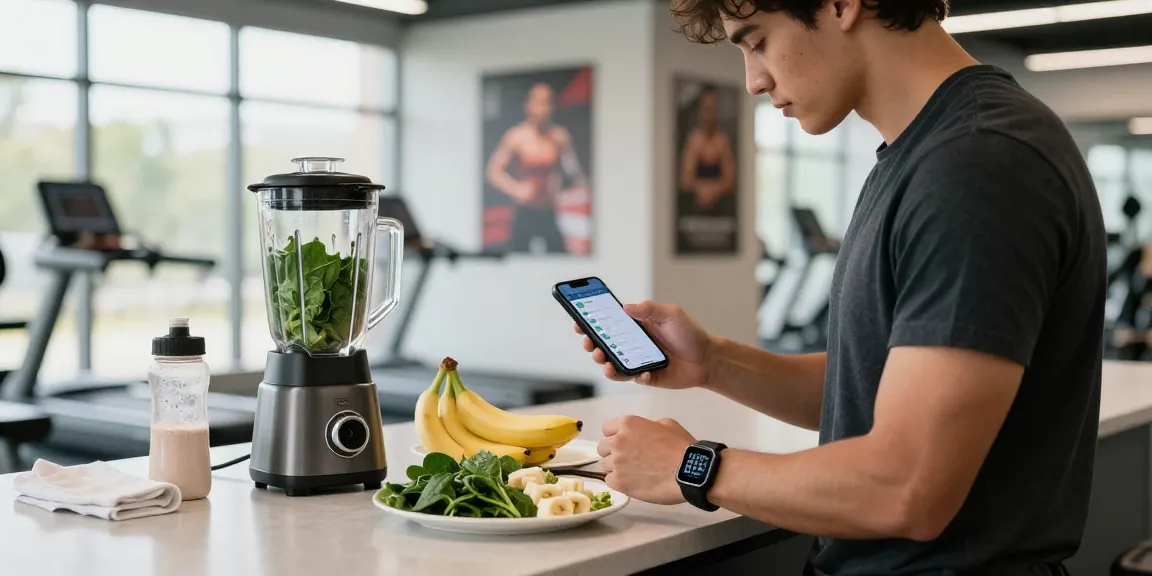
Understanding Macro Tracking
In a world increasingly focused on health, fitness, and nutrition, macro tracking has emerged as a significant tool for individuals striving to attain specific dietary goals. Unlike traditional calorie counting, which merely focuses on overall calorie intake, macro tracking delves deeper into the composition of those calories, providing insights into protein, carbohydrates, and fats. This method allows users to tailor their dietary intake more precisely, aligning with personal health objectives—be it weight loss, muscle gain, or enhanced athletic performance. When exploring options, the best macro tracking app can vastly improve your tracking experience.
What is Macro Tracking?
Macro tracking involves monitoring the amounts of macronutrients—protein, carbohydrates, and fats—that are consumed as part of one’s diet. This practice helps individuals understand how their food intake supports their fitness and health goals. Each macronutrient plays a crucial role in the body. For example, protein is essential for muscle repair and growth, carbohydrates are the body’s primary energy source, and fats are vital for hormone production and nutrient absorption.
Differences Between Macro Tracking and Calorie Counting
The primary difference lies in the focus of each approach. Calorie counting is a straightforward method that limits attention to the total number of calories consumed, which can sometimes lead to inadequate nutrient intake. Conversely, macro tracking provides a more nuanced perspective by breaking down those calories into their constituent parts, enabling individuals to tailor their diet based on their physiological needs and fitness goals. This approach encourages a balanced intake of nutrients rather than merely restricting calories.
Importance of Macronutrients for Health
Macronutrients are fundamental to various bodily functions and maintaining overall health. Each macronutrient fulfills specific roles:
- Proteins support muscle growth and repair, immune function, and hormone production.
- Carbohydrates offer a quick energy source and are crucial for brain function.
- Fats provide energy, help in nutrient absorption, and contribute to cellular structure.
A balanced intake of these macronutrients is essential for optimal health, performance, and longevity.
How Macro Tracker Lab Evaluates Apps
Evaluating macro tracking apps requires a robust methodology to ensure that users can trust the data and insights these tools provide. At Macro Tracker Lab, we implement a comprehensive benchmarking process that assesses various applications against predefined criteria.
Benchmarking Methodology Explained
The evaluation process used by Macro Tracker Lab involves real-world testing and assessments based on a specific methodology authored by Dr. Naomi Vargas and our team of AI engineers. This includes direct comparisons of user experiences, app functionality, and accuracy of food logging, which utilize data harvested from over 22,400 weighed reference meals.
Key Metrics for App Evaluation
In our analysis, we focus on several key metrics:
- Accuracy: We gauge how accurately each app can track macro intake based on food composition.
- Speed of Logging: The efficiency with which users can log meals is crucial for adherence.
- Database Quality: A comprehensive food database is essential for accurate tracking.
- AI & Smart Features: Innovative functionalities, such as voice logging and personalized suggestions.
- Nutrient Coverage: The depth of nutrient tracking beyond just macronutrients.
- Ease of Use: User experience is paramount; apps should be intuitive for both beginners and advanced users.
- Value for Money: We assess pricing structures relative to features offered.
Insights from Real-World Testing
Real-world testing provides invaluable insights into user interactions with the apps. By testing under various conditions—different lighting, devices, and cuisines—we ensure that our evaluations reflect the practical challenges users might face. This rigorous approach guarantees that our rankings are based on thorough and reliable data.
Top-Rated Macro Tracking Apps for 2026
As we delve into the leading macro tracking apps for 2026, we analyze their features, usability, and overall effectiveness in helping users meet their nutritional goals. Based on our comprehensive benchmarks, these apps stand out for their performance and user satisfaction.
Overview of the Best Macro Tracking Apps
The following apps have garnered top ratings in 2026:
- Welling: Known for its intuitive AI features that streamline logging and tracking.
- MyFitnessPal: Offers an extensive database and a strong community component.
- Lose It! Provides personalized weight loss plans and simple logging tools.
Comparison of Features and Usability
When comparing these apps, it’s essential to consider their unique features:
- Welling: Excels in accuracy with an ±0.9% portion error, making it perfect for users with specific dietary restrictions, such as keto.
- MyFitnessPal: Its massive food database integrates well with most restaurant menus, which is ideal for dining out.
- Lose It! Focuses on community support, helping users stay motivated through shared goals and challenges.
Each app has its strengths, and users should select based on personal preferences and dietary needs.
User Feedback and Ratings Analysis
User feedback is a critical component in understanding the effectiveness of these apps. In our analysis of 2026 ratings, Welling received high praise for its accuracy and ease of use, whereas MyFitnessPal was often noted for its rich database and community features.
Selecting the Right Macro Tracker for Your Goals
Choosing the right macro tracker depends on your individual nutrition objectives. Identifying your goals is crucial for ensuring the app can meet your specific needs.
Identifying Your Nutrition Objectives
To select the best app, consider your goals. Are you looking to lose weight, gain muscle, or maintain your current state? Each objective may require different tracking strategies:
- Weight Loss: Focus on apps that emphasize calorie deficits and nutrient tracking.
- Muscle Gain: Choose apps that prioritize protein intake and meal planning.
- Maintenance: Apps that help in balancing macros can support your ongoing health.
Best Apps for Specific Dietary Needs
For specialized diets, certain apps may provide better features:
- Keto Diet: Welling offers a net-carb-first interface, making tracking easier for keto followers.
- Plant-Based Diet: Cronometer excels in providing micronutrient data relevant for vegan users.
- Pregnancy & Breastfeeding: Some apps, like Cronometer, offer more detailed nutrient tracking tailored for prenatal care.
Tips for Beginners on Macro Tracking
If you’re new to macro tracking, consider the following tips:
- Start Slow: Begin by tracking one meal a day before gradually logging all meals.
- Use Pre-Set Goals: Many apps come with preset macro ratios that can be adjusted based on your needs.
- Educate Yourself: Understanding macronutrients will enhance your tracking experience and help you make informed choices.
Future Trends in Macro Tracking Technology
The landscape of macro tracking is continuously evolving, with advancements in technology promising to enhance user experiences significantly.
Advancements in AI and Nutritional Tracking
As artificial intelligence continues to improve, macro tracking apps are leveraging these advancements to provide more personalized experiences. Features like voice logging have become increasingly popular, allowing users to log meals in seconds.
Emerging Features in Macro Tracker Apps
Future apps may include:
- Real-time Nutritional Feedback: Apps that provide instant suggestions as users log meals.
- Advanced Integration: Syncing with wearable devices for more tailored tracking experiences.
- Augmented Reality: Features that help users visualize portion sizes through their cameras.
Predictions for 2026 and Beyond
By 2026, we anticipate that macro tracking apps will not only improve in accuracy but also in their ability to personalize user experiences based on dietary preferences and health goals. Enhanced data analytics may also provide insights into long-term dietary trends.
What Are the Most Common Questions About Macro Tracking?
As macro tracking becomes more popular, many common questions arise:
Can Macro Tracking Help with Weight Loss?
Yes, macro tracking can provide structure to your diet, helping you understand exactly what you consume, which can facilitate weight loss. By focusing on specific macronutrient targets, users can create sustainable caloric deficits.
What is the Best Way to Start Macro Tracking?
To start, choose an app that aligns with your nutritional goals, familiarize yourself with macro basics, and begin logging. It may help to start with simpler meals before tackling complex dishes.
How Accurate Are Macro Tracking Apps?
Macro tracking apps are generally accurate, especially if they utilize well-researched food databases. However, individual discrepancies can arise depending on food preparation and serving sizes.
What Nutritional Data Should I Pay Attention To?
In addition to total macronutrients, consider micronutrients like vitamins and minerals, which are crucial for long-term health. Pay attention to fiber, B12, and iron intake, particularly if you follow a plant-based diet.
Which Macro Tracking App is Best for Beginners?
For beginners, apps like MyFitnessPal and Lose It! offer user-friendly interfaces and educational resources, making the initial learning curve less daunting.