Introduction to Glass Cutting Machines
In the dynamic world of glass processing, the importance of efficiency and precision cannot be overstated. Glass cutting machines have become an integral part of this industry, catering to both small-scale artisans and large-scale manufacturers alike. By employing advanced technology, these machines have revolutionized the way glass is handled, allowing for intricate designs and large-scale production with minimal waste. When exploring options, glass cutting machine solutions provide comprehensive insights into the capabilities and innovations available in the market today.
What is a Glass Cutting Machine?
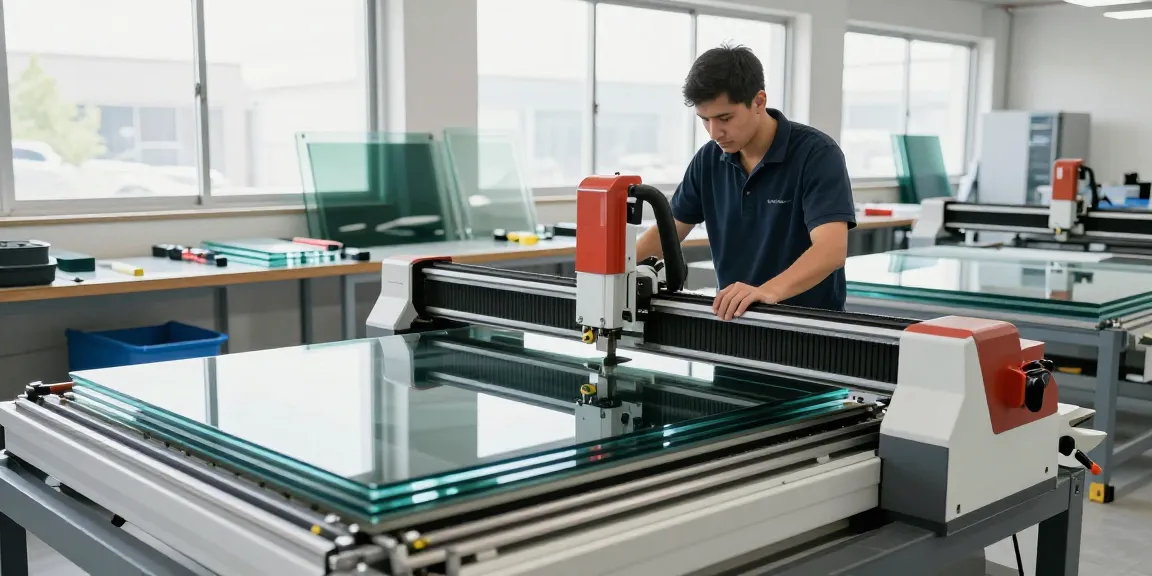
A glass cutting machine is a specialized piece of equipment designed to cut flat glass sheets into various sizes and shapes. The goal is to achieve precision cuts that can be used in different applications, such as construction, automotive, and decorative purposes. These machines range from manual cutters to sophisticated CNC systems, providing flexibility depending on production needs.
Key Features of Modern Machines
- Automation: Many modern glass cutting machines are automated, allowing for quick setups and increased production speeds.
- Precision Cutting: Advanced technology, such as CNC (Computer Numerical Control), ensures highly accurate cuts, reducing material waste.
- Versatility: Capable of handling various glass types, including tempered and laminated glass, these machines cater to diverse industry requirements.
- User-Friendly Interfaces: With intuitive controls, operators can easily program and operate the machines, minimizing training time.
Applications in the Glass Industry
The applications of glass cutting machines are vast, spanning multiple industries. From producing windows and doors in the construction sector to creating intricate designs for art installations, the versatility of these machines stands out. They are also integral in automotive manufacturing, where precision cutting is paramount for safety and functionality. Furthermore, the rise of custom glass products has fueled demand, with artisans and small businesses leveraging cutting machines to create unique offerings.
Types of Glass Cutting Machines
CNC Automatic Glass Cutting Machines
CNC glass cutting machines are among the most advanced in the industry. Equipped with computer control, these machines can execute complex cuts with high accuracy and repeatability. They are ideal for large-scale production and can handle sheets of varying sizes, making them indispensable in manufacturing environments.
Semi-Automatic vs. Fully Automatic Options
For businesses looking to balance cost and efficiency, semi-automatic glass cutting machines present a viable option. These machines require some manual input yet provide automation to streamline the cutting process. On the other hand, fully automatic machines offer complete automation, requiring minimal human intervention, which significantly reduces labor costs and enhances production speed.
Choosing the Right Machine for Your Needs
Selecting the right glass cutting machine depends on several factors, including production volume, glass types, and specific application needs. For high-volume operations, a CNC machine may be the best choice, while smaller businesses might benefit more from semi-automatic options. It’s essential to evaluate the balance between initial investment and long-term efficiency gains.
Benefits of Using a Glass Cutting Machine
Increased Efficiency and Precision
One of the primary advantages of utilizing glass cutting machines is the significant increase in efficiency. Automated systems can operate continuously, significantly speeding up production while maintaining high precision. The reduction in manual handling also decreases the likelihood of errors, producing consistently high-quality cuts.
Cost-Effectiveness in Production
Investing in a glass cutting machine can lead to considerable cost savings over time. Automating the cutting process minimizes labor costs and reduces wastage by ensuring precise cuts, as mentioned earlier. Furthermore, the ability to handle various glass types can streamline inventory management and production planning.
Safety Improvements for Operators
Modern glass cutting machines are designed with safety in mind. Features such as automatic shutdown systems, enclosed cutting areas, and protective gear for operators help mitigate the risks associated with cutting glass. This focus on safety not only protects personnel but also ensures compliance with industry regulations.
Best Practices for Operating Glass Cutting Machines
Setup and Maintenance Guidelines
Proper setup and regular maintenance are critical for the optimum performance of glass cutting machines. Operators should ensure that all settings are configured correctly before production, and routine checks should be performed on components to prevent malfunctions or inaccuracies.
Common Mistakes to Avoid
Common pitfalls in operating glass cutting machines include neglecting routine maintenance checks and failing to calibrate the machine settings according to material specifications. Operators should also be trained to identify irregularities in the cutting process that might indicate worn blades or misalignment.
Tips for Enhancing Cutting Quality
- Regular Calibration: Keep the machine calibrated to ensure precise cuts.
- Use Quality Materials: High-quality glass leads to better cutting outcomes.
- Optimize Cutting Speed: Adjust the speed settings based on the thickness and type of glass being processed.
Future Trends in Glass Cutting Technology (2026 and Beyond)
Integration of AI in Glass Processing
The future of glass cutting technology is poised to embrace artificial intelligence. AI can optimize cutting patterns, reduce waste, and enhance the overall efficiency of production lines. Predictive maintenance powered by AI will also enable manufacturers to preemptively address potential issues, ensuring continuous operation.
Sustainable Practices and Eco-Friendly Materials
As industries move towards sustainability, glass cutting technology will likely evolve to incorporate eco-friendly practices. This includes using less energy during production and maximizing the use of recycled materials in the glass itself. Machines that can effectively handle these materials will become increasingly valuable.
Smart Manufacturing and IoT Applications
The integration of Internet of Things (IoT) technology into glass cutting machines will enable firms to gather data on their operations, leading to smarter manufacturing processes. This data can provide insights into production efficiencies, operator performance, and machine health, supporting better decision-making.
What are the top features to look for in a glass cutting machine?
When purchasing a glass cutting machine, key features to consider include automation level, precision, user interface, maintenance requirements, and support from the manufacturer.
How can automation improve glass cutting processes?
Automation enhances glass cutting processes by increasing production speed, reducing labor costs, and lowering the risk of human error, resulting in a more efficient workflow.
What safety measures should be taken while using a glass cutting machine?
Safety measures include using protective gear, implementing emergency shutdown protocols, and ensuring that machines are maintained and calibrated regularly.
Are there specific maintenance tips for extending the life of glass cutting machines?
Regularly check and replace worn-out parts, keep the machine clean, and follow the manufacturer’s maintenance schedule to extend the life of the equipment.
What innovations can we expect in glass cutting technology by 2026?
We can expect innovations such as enhanced AI integration, energy-efficient machines, and smart manufacturing capabilities that leverage real-time data.