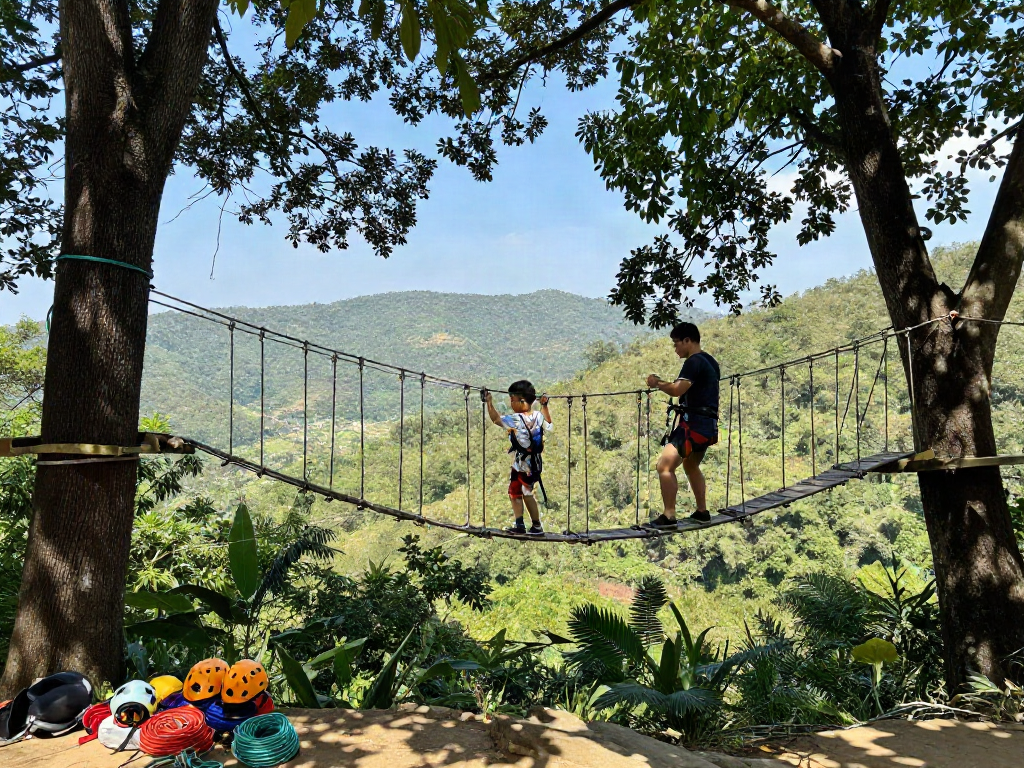
Understanding Rope Bridge Design Principles
Rope bridges have fascinated architects and enthusiasts alike, representing a unique intersection of engineering and nature. These structures not only serve a practical purpose—providing pathways across ravines or rivers—but also evoke a sense of adventure and connection to the outdoors. From their historical roots to modern designs, understanding the principles behind rope bridge design is crucial for anyone considering building one. When exploring options, Rope Bridge design provides comprehensive insights into various methods and materials that can enhance your project.
Fundamental Elements of Rope Bridge Construction
The construction of a rope bridge revolves around several key elements:
- Support Systems: The primary supports of a rope bridge are usually vertical posts or trees that anchor the cables. The stability of these supports is vital for the whole structure.
- Cable Configuration: Depending on the design, the cables can be arranged in a simple or complex manner, impacting the bridge's load distribution and flexibility.
- Decking: The walking surface can be made from a variety of materials, often planks or netting, which must ensure safety while providing adequate grip and comfort.
- Safety Features: Handrails and netting can add an extra layer of security for users, especially in high or remote locations.
Different Types of Rope Bridges and Their Uses
Rope bridges can be classified into several types, each suited to different environments and uses:
- Suspended Rope Bridges: Best for spanning rivers or deep valleys, these bridges hang from cables and allow for a significant degree of sway.
- Fixed-Beam Rope Bridges: These bridges feature a more rigid structure and are often used in settings where stability is paramount.
- Log Rope Bridges: Made from logs and ropes, these designs are suitable for rustic or forested areas, blending seamlessly with natural surroundings.
Safety Considerations in Rope Bridge Design
Safety is a paramount concern in rope bridge design. The following considerations are essential:
- Load Capacity: Understanding the maximum load the bridge can support is critical to prevent accidents.
- Material Selection: Choosing high-quality, weather-resistant materials extends the life of the bridge and improves safety.
- Regular Inspections: Frequent checks for wear and tear help to identify potential issues before they become serious problems.
Planning Your Rope Bridge Project
Choosing the Right Location for Your Rope Bridge
Location is a key factor in planning a rope bridge project. Evaluating the landscape helps determine the feasibility of the bridge. Ideal locations should have:
- Stable anchor points such as strong trees or posts.
- A clear span with minimal obstacles.
- Accessibility for construction and maintenance.
Essential Tools and Materials Needed
Before starting construction, gather essential tools and materials. Commonly required items include:
- Heavy-duty rope or cable for the main support.
- Wooden or metal planks for the decking.
- Posts or beams for the supports.
- Tools such as drills, saws, and tensioning devices.
Creating a Blueprint for Your Rope Bridge Design
A well-structured blueprint is a fundamental part of any successful rope bridge project. The blueprint should detail:
- The dimensions of the bridge, including length and width.
- The layout of supports and walking surfaces.
- Engineering calculations to ensure structural integrity.
Building Techniques for Rope Bridges
Step-by-Step Guide to Constructing a Rope Bridge
Building a rope bridge can be an intricate process:
- Site Preparation: Clear the area of debris and ensure stable ground for the supports.
- Installing Support Posts: Securely anchor the vertical posts into the ground.
- Attaching Main Cables: String the main cables between the anchors, ensuring tension is consistent.
- Decking Installation: Lay down planks or mesh for the walking surface.
- Final Safety Checks: Inspect the entire structure for stability and safety before use.
Best Practices for Securing the Bridge Structure
To enhance the durability and safety of your rope bridge, follow these best practices:
- Use high-quality knots and fasteners that are resistant to wear.
- Regularly check for any loose cables or damaged decking.
- Incorporate redundancy by using multiple support cables when possible.
Handy Tips for Working with Rope and Hardware
Working with rope and hardware can present challenges. Here are some useful tips:
- Familiarise yourself with different knot types and their applications.
- Wear gloves to protect your hands from abrasions caused by rope or hardware.
- Always have extra materials on hand in case of unforeseen issues.
Maintaining Your Rope Bridge
Regular Inspections and Maintenance Techniques
Regular maintenance is crucial for the longevity of your rope bridge. Key strategies include:
- Conducting thorough inspections at least twice a year.
- Cleaning the cables and decking to prevent corrosion and slippage.
- Tightening any loose components as necessary.
Repairing Common Issues with Rope Bridges
Some common issues may arise, requiring prompt repair:
- Fraying cables can compromise strength; replace them immediately.
- Loose decking may cause safety hazards; secure or replace as needed.
- Regularly check for rust on metal components and treat accordingly.
Enhancing Durability for Long-Term Use
To ensure your rope bridge remains functional for years to come, consider:
- Using weather-resistant materials like treated wood and stainless steel.
- Applying protective coatings to metal parts to prevent corrosion.
- Designing the bridge for easy access during maintenance checks.
Future Trends in Rope Bridge Design
Innovative Materials and Technologies for 2026
The future of rope bridge design is likely to be shaped by advancements in materials and technologies. Innovations such as:
- High-strength synthetic ropes that offer lighter weight and superior durability.
- Smart monitoring systems that provide real-time data on structural integrity.
- Eco-friendly construction techniques that minimise environmental impact.
Eco-Friendly Practices in Rope Bridge Construction
As environmental concerns grow, sustainable practices are becoming essential in construction. Some eco-friendly practices to consider include:
- Utilising recycled materials where possible.
- Designing bridges to fit harmoniously within their natural settings.
- Implementing biodiversity-friendly elements such as plantings or habitats under the bridge.
Designing for Community Engagement and Recreation
Rope bridges can also serve as community focal points, encouraging recreational activities. Involving the community in the design process can lead to:
- Bridges that reflect local culture and identity.
- Spaces for social interaction, such as viewing areas or picnic spots.
- Enhanced accessibility for all age groups and abilities.
What Are the Best Practices for Designing a Rope Bridge?
To ensure a safe and functional rope bridge, best practices include:
- Conducting a thorough site analysis to determine natural obstacles and flow.
- Engaging an engineer for professional assessments and recommendations.
- Incorporating user feedback in the design process to enhance usability.
How Much Does a Rope Bridge Cost?
The cost of constructing a rope bridge can vary significantly based on several factors:
- Materials used, including rope quality and decking materials.
- Bridge size and span length.
- Labour costs and whether professional help is employed.
Can I Build a Rope Bridge Myself?
Many individuals successfully build their own rope bridges, provided they adhere to safety guidelines and have the necessary skills. For DIY enthusiasts:
- Start with smaller, simpler designs to gain experience.
- Consult resources and communities focused on DIY bridge construction.
- Always prioritise safety throughout the building process.
What Materials Are Best for Rope Bridge Design?
Choosing the right materials is essential for a successful rope bridge. Recommended materials include:
- High-tensile strength rope for the cables.
- Durable wood or composite material for decking.
- Corrosion-resistant hardware such as stainless steel for support fittings.
How Long Does It Take to Build a Rope Bridge?
The time to build a rope bridge can range from a few days to several weeks depending on:
- Bridge complexity and size.
- Experience level of the builder.
- Weather conditions and site accessibility.