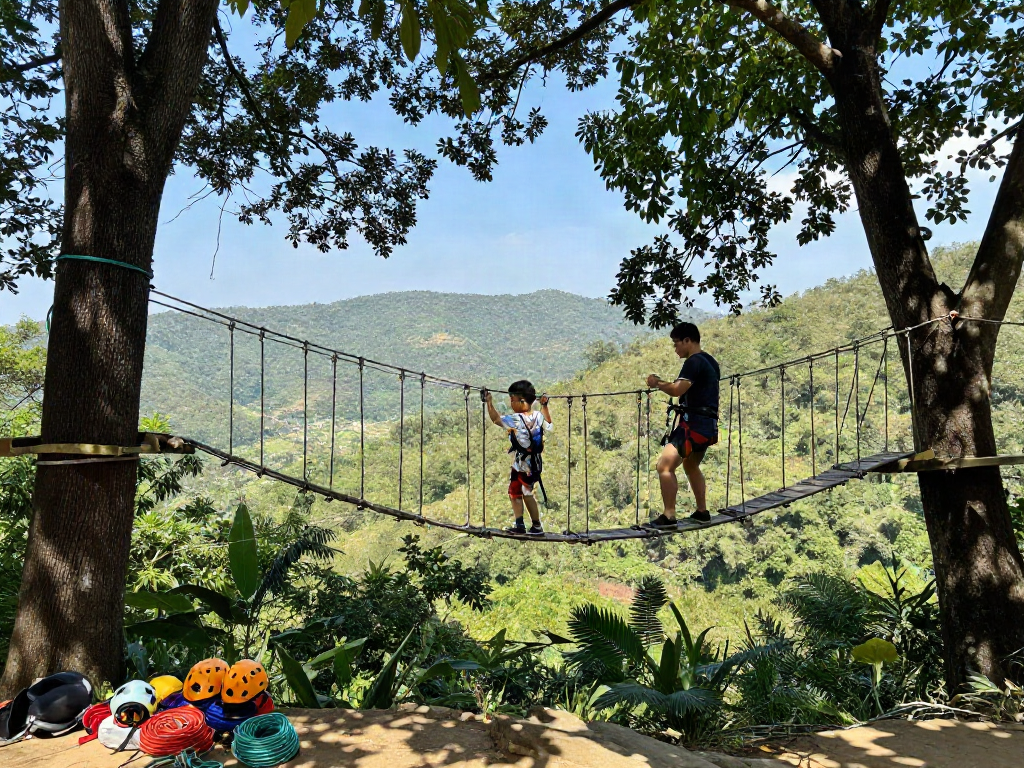
Understanding Rope Bridge Design
Rope bridges have been a crucial element in both historical and modern engineering, connecting disparate locations while adding a unique aesthetic quality to the landscape. As we explore the intricacies of Rope Bridge design, it becomes clear that these structures are not merely practical; they embody creativity and resourcefulness. Whether for recreational projects, community initiatives, or more serious architectural ventures, understanding the principles behind rope bridge design can lead to successful and sustainable outcomes.
What is a Rope Bridge?
A rope bridge is a type of bridge that uses ropes as the primary means of support and stability. These bridges typically feature a deck made of wood or other materials, suspended between two or more points, which may include trees or man-made supports. Rope bridges vary in type and complexity, ranging from simple pedestrian walkways to elaborate structures capable of supporting heavy loads. Their design is often dictated by the specific environment and intended use, making each bridge unique in its construction.
The History of Rope Bridges
The origin of rope bridges can be traced back to ancient civilisations, where they were pivotal in crossing rivers and ravines. Across cultures, from the Inca's use of natural materials in the Andes to the traditional vine bridges found in Japan and India, these structures have been ingeniously adapted to local conditions. Today, modern techniques continue to evolve rope bridge design, incorporating new materials and engineering principles while respecting historical methods.
Key Elements of Effective Rope Bridge Design
- Load-bearing Capacity: Understanding the weight the bridge needs to support is essential for choosing the right materials and design.
- Stability: Effective tension and compression forces must be calculated to ensure the bridge remains stable under load.
- Environment: The location's climate, landscape, and natural features should inform the design choices to maximise durability and safety.
- Safety Features: Handrails, anti-slip surfaces, and regular maintenance schedules are essential for ensuring user safety.
Types of Rope Bridges
Suspended Rope Bridges
Suspended rope bridges, characterised by their reliance on cables or ropes strung between two points, embody a sense of elegance and functionality. These structures can span vast distances and are often used in mountainous or forested areas. Their design allows them to sway slightly, providing both flexibility and stability, which can be advantageous in areas prone to high winds or seismic activity.
Fixed-Beam Rope Bridges
Unlike their suspended counterparts, fixed-beam rope bridges use a more rigid deck system supported by a series of supports or beams. This design is ideal for areas where additional stability is required or when spanning short distances. These bridges can support more weight consistently and are often seen in both pedestrian and vehicular applications.
Log Rope Bridges: A Sustainable Option
Log rope bridges integrate wooden logs as their primary structural element, offering a sustainable and cost-effective solution for rural applications. They are particularly effective in locations with abundant timber resources while providing a rustic aesthetic that blends with natural landscapes. If constructed correctly, log bridges can withstand significant stress while requiring minimal maintenance.
Planning Your Rope Bridge Project
Assessing Your Site and Environment
Before embarking on a rope bridge project, it's crucial to conduct a thorough assessment of the site. This includes analysing the landscape, soil conditions, and existing vegetation. Identifying potential environmental impacts and securing any necessary permissions from local authorities is also vital. Conducting this groundwork ensures that your design is both practical and compliant with local regulations.
Choosing the Right Materials
The choice of materials is fundamental in the construction of a rope bridge. While traditional materials like wood and natural rope have their merits, modern materials such as composite ropes and galvanised steel cables can enhance durability and load-bearing capacity. It's essential to balance cost, availability, and environmental impact when selecting materials for your project.
Designing for Safety and Durability
A well-designed rope bridge prioritises safety without sacrificing aesthetics. Considerations such as handrails, non-slip surfaces, and load capacity should inform your design decisions. Additionally, incorporating features that ease maintenance, like accessible anchor points, can prolong the life of the bridge and ensure long-term usability.
Construction Techniques for Rope Bridges
Step-By-Step Guide to Building a Rope Bridge
- Site Preparation: Clear the construction area, ensuring a stable foundation for anchor points.
- Anchor Installation: Securely install anchor points or trees to support the bridge.
- Deck Construction: Assemble the bridge deck using chosen materials, ensuring it is both sturdy and well-balanced.
- Rope Rigging: Carefully rig the ropes or cables, ensuring they are taut and properly secured.
- Safety Checks: Conduct thorough inspections to identify any potential safety issues before opening the bridge for use.
Common Challenges and How to Overcome Them
Rope bridge construction can present several challenges, including environmental factors, material limitations, and structural integrity concerns. To mitigate these issues, thorough planning, regular site inspections, and employing experienced personnel are key. Employing a phased approach to construction can also help manage unforeseen complications effectively.
Maintaining Your Rope Bridge for Longevity
Regular maintenance is essential for the longevity of any rope bridge. This includes routine inspections, tightening loose cables, checking for wear on the deck, and ensuring that all safety features are intact. Implementing a clear maintenance schedule can significantly extend the life of the bridge and enhance user safety.
Future Trends in Rope Bridge Design
Innovative Materials and Technologies
The future of rope bridge design is likely to feature sophisticated materials and technology that enhance performance and safety. Advancements such as high-tensile synthetic ropes and smart sensors can monitor structural integrity in real-time, ensuring that any issues are identified and addressed promptly.
Community Projects and Collaborations
Many communities are embracing the construction of rope bridges as a means to connect various areas or as part of recreational projects. Such initiatives often involve collaboration between local authorities, engineering firms, and community members, fostering a sense of ownership and pride.
Environmental Impact Considerations for 2026 and Beyond
As environmental concerns continue to grow, sustainable practices will be at the forefront of rope bridge design. Emphasising eco-friendly materials and designs that minimise the ecological footprint will likely become standard practice. Future projects are expected to incorporate renewable resources and focus on preserving natural landscapes while providing practicality and accessibility.
Frequently Asked Questions
How do I build a rope bridge?
Building a rope bridge involves careful planning, selecting appropriate materials, and following a systematic construction process. It's advisable to refer to detailed guides or consult with professionals for complex projects.
What are the different types of rope bridges?
The main types include suspended rope bridges, fixed-beam rope bridges, and log rope bridges, each designed for specific purposes and environments.
How much does a rope bridge cost?
The cost of constructing a rope bridge can vary significantly based on materials, size, and location. A detailed budget should be created during the planning phase to account for all potential expenses.
What is the simplest bridge design?
The simplest bridge design is often a basic suspended rope bridge, requiring fewer materials and simpler construction techniques compared to more complex structures.
What safety measures should I consider?
Safety measures include installing handrails, ensuring the deck is non-slip, conducting regular inspections, and adhering to load capacity limits to prevent accidents or failures.